
$325.00
Design Weldments with Bonfidence — BEFORE you ever open FEA.
Have you ever been stuck in this loop?
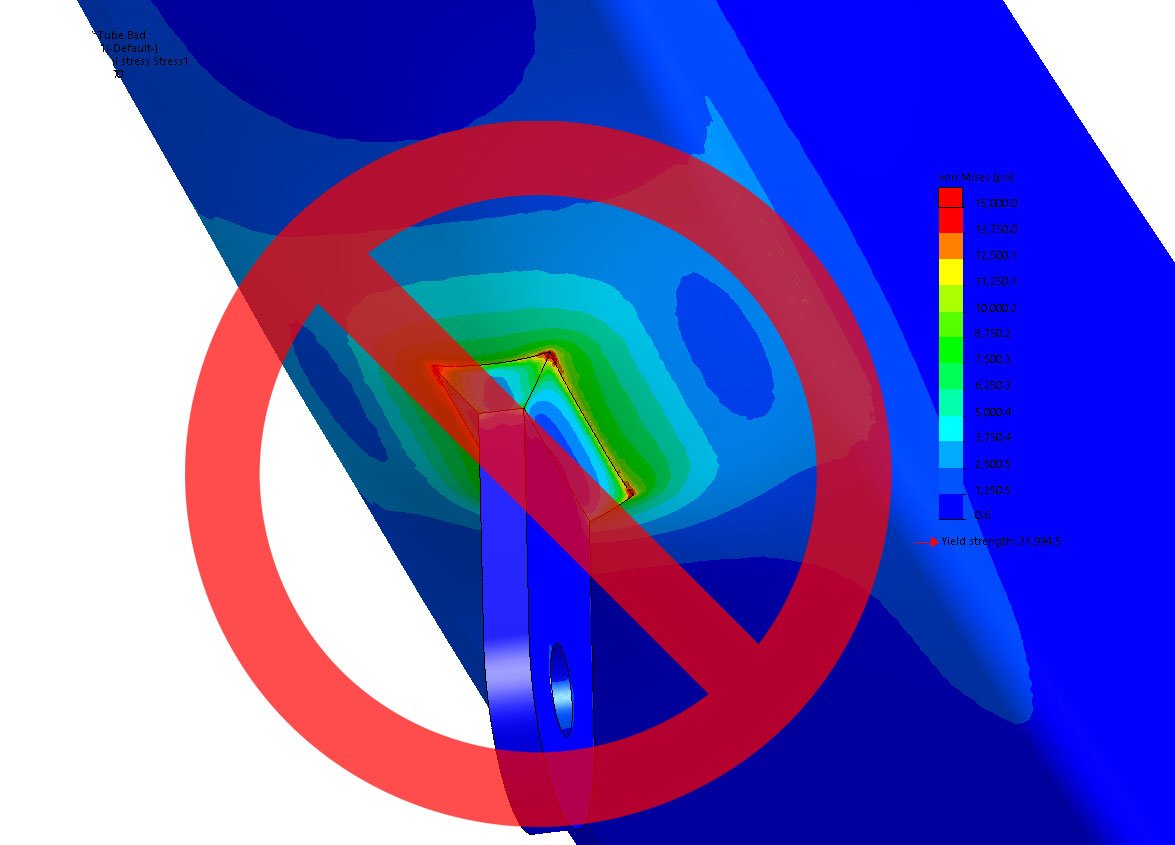
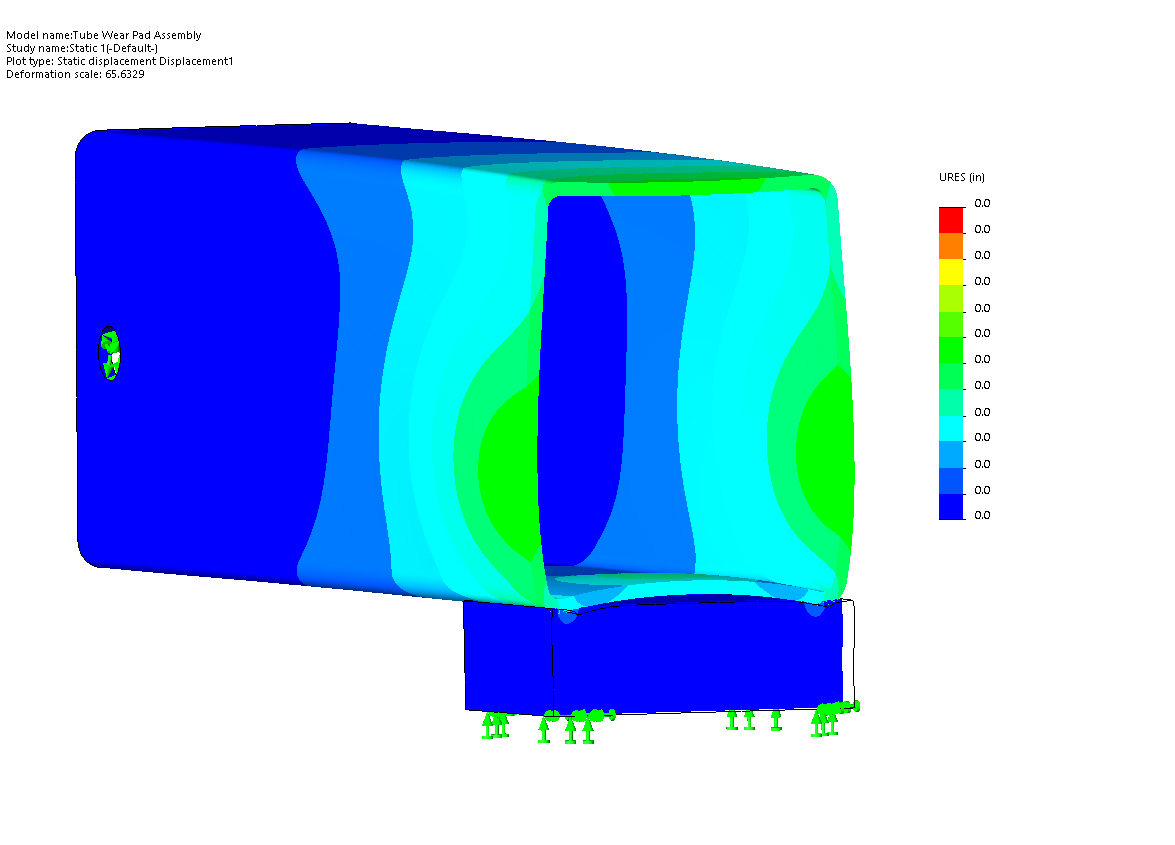
Run an FEA → wait → tweak → run it again…
…and after 10+ iterations you still don’t feel certain the design is right?
You’re not alone.
I’ve been there.
The month I wasted until I did one simple thing…
I found myself working late yet again, waiting for FEA to finish so I could evaluate the results, make adjustments, and start the process over.
This had been repeating for nearly a month — no meaningful progress. My boss and project manager were counting on me to wrap the design so we could move into production, and the pressure was mounting.
That night, lying in bed, I couldn’t stop thinking about the problem.
Then it struck me:
“What do the hand calculations tell me?”
The next morning I went back to basics. I ran a few quick hand calcs and discovered something uncomfortable:
the design concept was fundamentally inadequate.
I reinforced the critical areas and ran the FEA again.
Eight hours later the results came back…
And it worked.
The problem that ate a month of tinkering was solved — not by “more FEA”… but by understanding structural design well enough to predict the outcome before running FEA.
That was the turning point in my engineering career.
And that’s what this course teaches.
Description
This is practical weldment design training for engineers who want to stop guessing.
In this course you’ll learn:
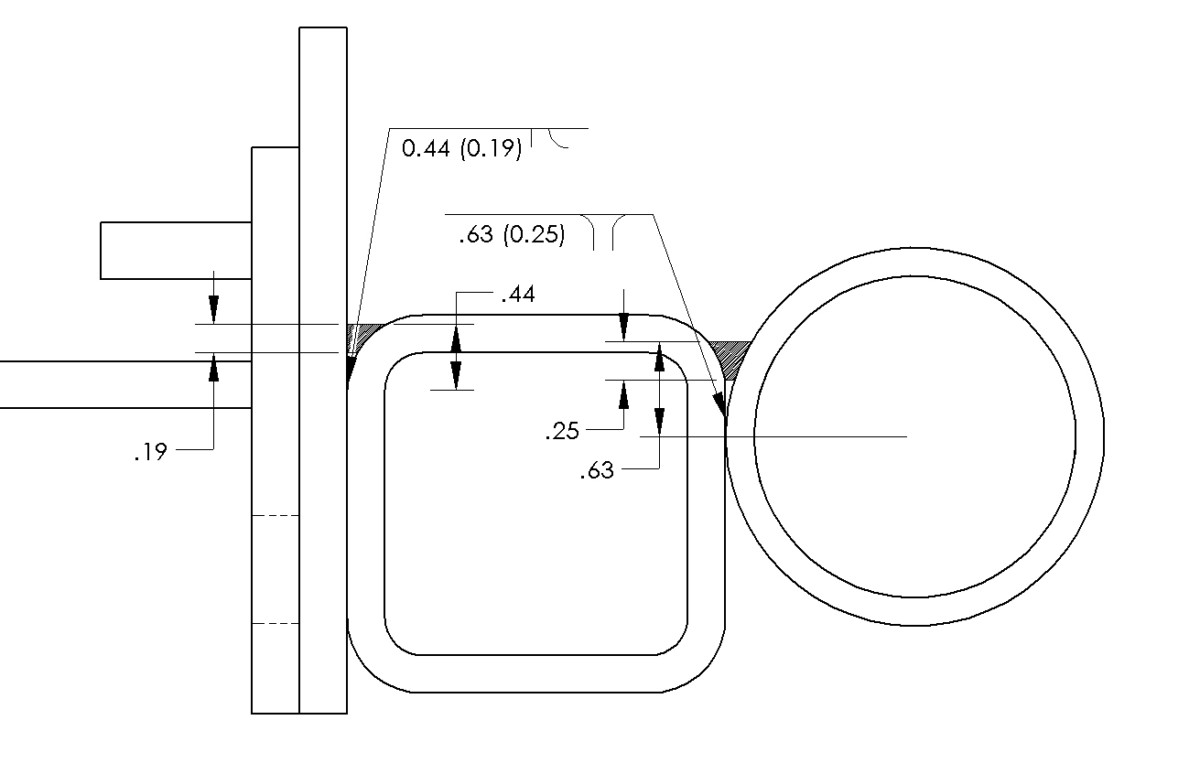
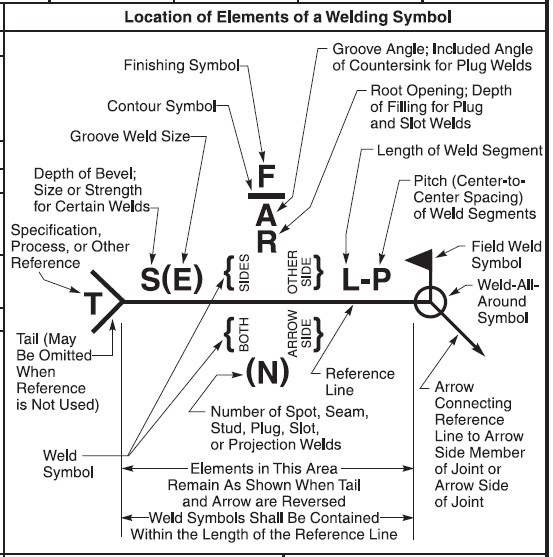
- how welds actually fail (strength + fatigue)
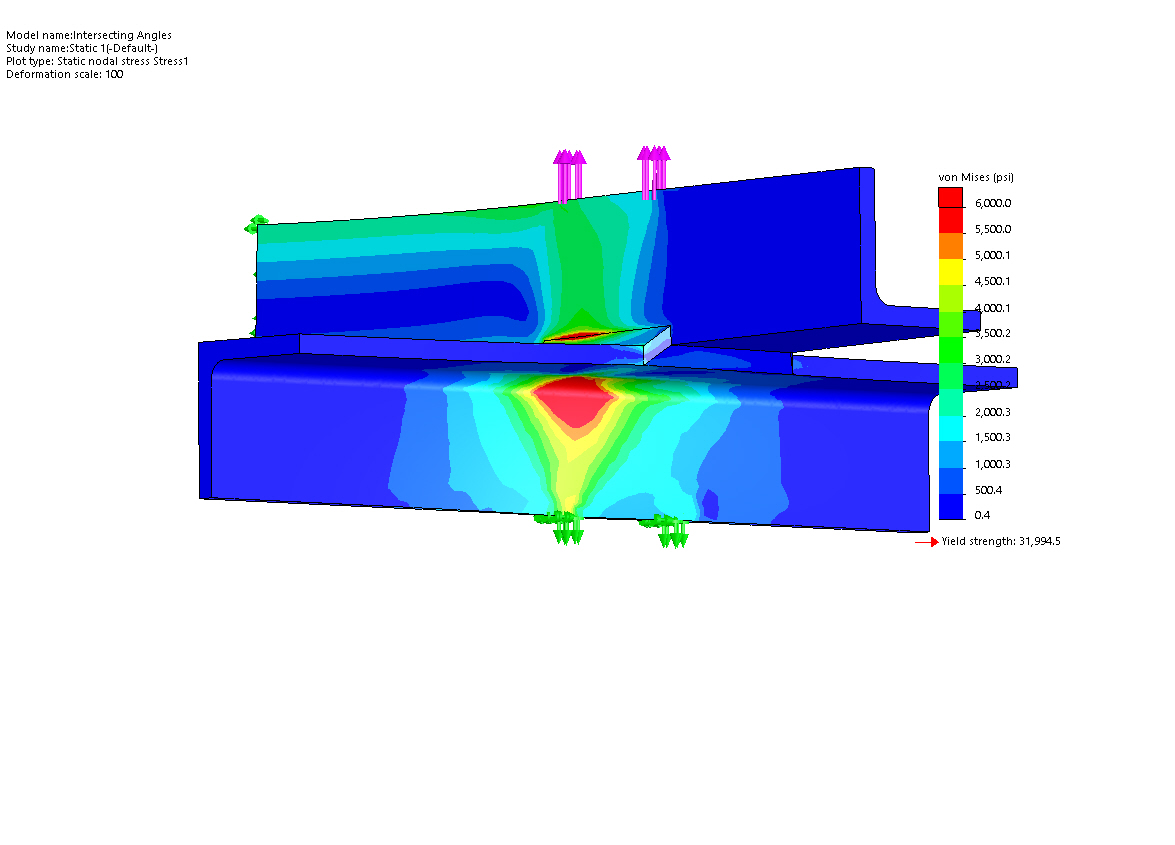
- what weldment joints need to do structurally
- how to reduce distortion before it becomes a shop nightmare
- how to design weldments that are manufacturable and repeatable
- how to think through structures so you don’t “FEA your way” into a design
If you design weldments… this will immediately improve your work.
The outcome you want
Become the engineer who can look at a weldment and know:
- what matters
- what doesn’t
- where it will crack first
- what to reinforce
- what’s overbuilt
- whether FEA is even necessary
That is how you become the “go-to person” for structures.
Course format: designed for completion
Most self-paced online courses never get finished.
We’re not selling a giant video library and hoping you power through it.
This is a mentored, cohort-based class built for completion:
✅ Start together: March 16, 2026
✅ Lessons emailed Mon/Wed/Fri for 5 weeks
✅ Designed in ~30 minute chunks
✅ Online forum for questions + peer support
✅ Office hours (get unstuck fast)
Because it’s interactive, it’s capped at 12 engineers.
Topics covered
- Welding basics (what engineers need, without fluff)
- Weld strength and fatigue
- Minimizing weld distortion
- Joint design
- Design for manufacturing
What you get
- 8 PDH upon successful completion
- 5 weeks of lessons (Mon/Wed/Fri)
- office hours access
- private forum access
- practical tools + methods you can apply immediately
Who this is for
This course is for:
✅ engineers/designers who design weldments, structural frames, brackets, supports
✅ engineers stuck in repeated FEA iterations
✅ teams who want consistent design practices
✅ engineers who want practical methods, not theory
Not for:
❌ people who want pure academic metallurgy
❌ people who don’t design structures/weldments
What students are saying
“Absolutely worth every penny… masterfully organized into bite-sized sections… I started applying some of the tips right away on my daily work.”
— Luis M
“The course challenges people like me to be a better designer… I have recommended that all of our engineers take the course…”
— C. Marvin Franklin, Executive Vice President, Design Wise
Enrollment details
- Start date: Monday, March 16, 2026
- Duration: 5 weeks
- Limited to: 12 engineers
FAQ
How much time does it take?
Plan on ~30 minutes per lesson, delivered Mon/Wed/Fri.
Is it live?
Lessons are asynchronous, but you’re not alone — you’ll have office hours + a forum.
Will I get PDH credit?
Yes — you’ll receive 8 PDH upon completion.
Can my company enroll multiple engineers?
Yes — we offer group pricing. Email us for options.
Final CTA
If you design weldments, this course will pay for itself the first time you avoid a design loop, reduce overbuild, or prevent a future product issue.
Subject Matter Experts
 |
 |
| Corey Rasmussen P.E. |
Featured Image from PxHere